It’s been six years since the COVID-19 pandemic shut down the world, and one thing remains true: the nursing shortage is still happening.
And yet, every semester, we see new nursing students walking into classrooms, ready to make a difference in their future patients’ lives. They lived through the pandemic; they saw what nurses went through and saw how it changed healthcare. But they choose nursing anyways.
Pre-COVID-19, the nursing world was faced with the challenge of nurses nearing the age of retirement. When the pandemic struck, it intensified those challenges, creating new obstacles to retain nurses and keep them at the bedside.
“When people started seeing the horrors that went along with COVID: they saw nurses crying, they saw nurses with bags under their eyes and marks where their mask was, and not being able to go home and be with their family because they’d been taking care of COVID-19 patients. They saw all that, and I think society changed a bit,” said Audria Denker, DNP, RN, FAADN, ANEF, Chief Clinical, Integration, and Experience Officer at Galen College of Nursing. “Not only did we lose a lot of nurses during the pandemic, but I think a lot of nurses who had been in nursing a long time burned out and retired.”
The difficult working conditions of the pandemic wore down nurses of all kinds. Whether they had been in the field for many years, or even just freshly starting, nurses from all over had to make the difficult decision to leave bedside nursing to protect their mental health.
While the initial reaction to today’s nursing shortage is to hire more nurses, the solution starts far before these nurses enter the field.
“What’s happening is the hospital staff that was stable before the pandemic has now migrated into other areas, which also influences where we’re at today with our shortage. And nursing, you can go into education, you can go into leadership, you can go into IT, there are all these different areas that need nursing expertise. So, what once was about 85% working at the bedside now may be closer to 60% at the bedside, which is a huge shift in where care is taking place,” said Denker.
Preparing future nurses to be ready to care for patients with skill, resilience and compassion is essential to making sure they continue providing bedside care, when there are so many other pathways out there they could take.
During the pandemic, the nursing community split down the middle on whether it was worth it to continue in the career.

“COVID caused people to have two extreme views. You had the view of, ‘My life is at risk. I’m getting older. I don’t want to jeopardize my family or my health.’ Those people who were going to retire in the next five years, a lot of them chose to leave,” said Carla McKenzie, Dean at Galen’s Nashville campus. “But there was also an equal force of nurses who said, ‘Look at the difference we’re making. We’re helping so many people. I feel like my life has meaning again.”
Now post-pandemic, we continue to see students choosing to pursue nursing every day for a multitude of reasons.
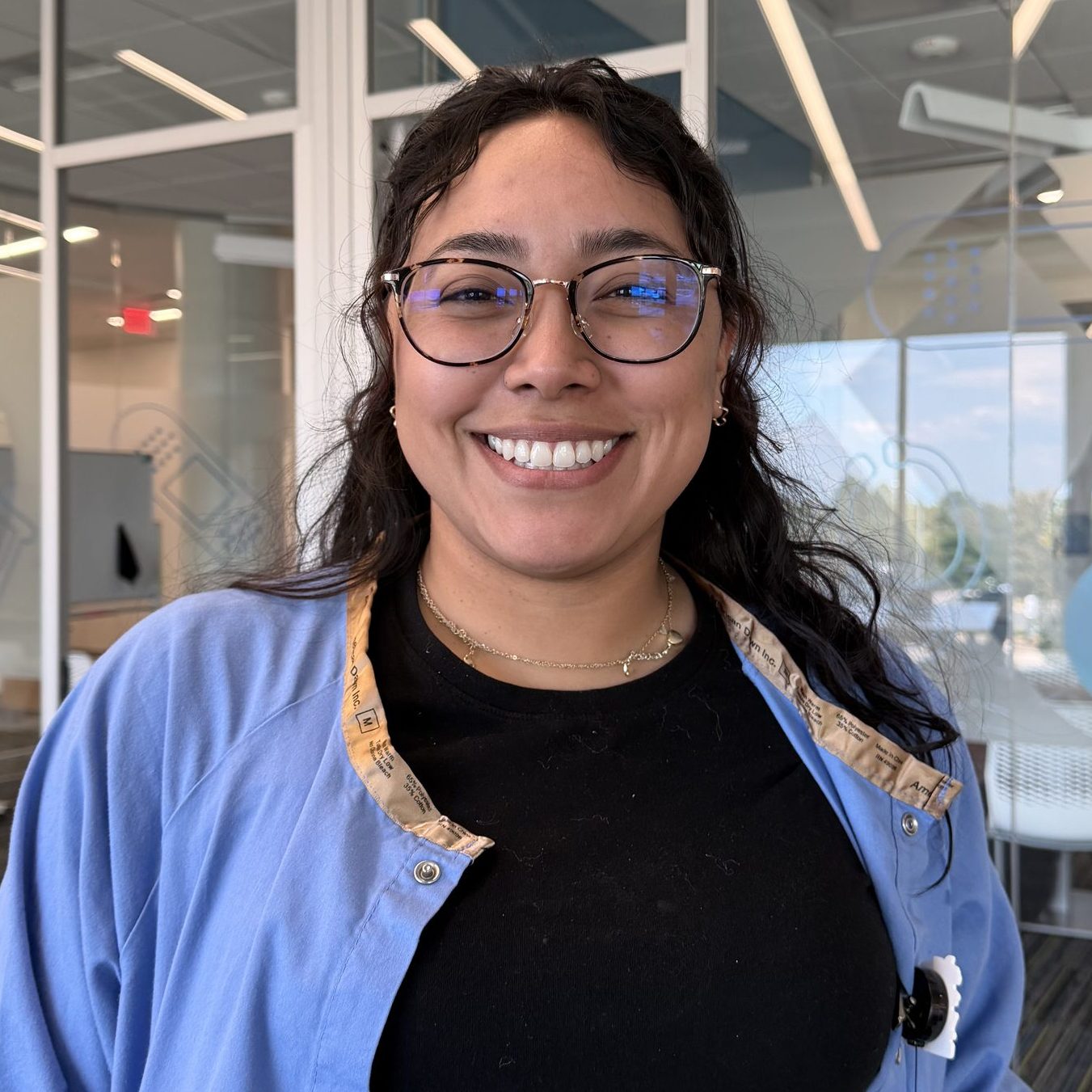
“I chose nursing because my daughter has congenital heart disease and just seeing how the nurses helped her during COVID-19 is something that I knew I wanted to do in my career,” said Talayeh Green, Bachelor of Science in Nursing (BSN) student at Galen’s Austin campus.
While some have life experiences that pulled them to nursing, others have felt a calling to help others.
“My ‘why’ is to help be more knowledgeable in the care for my mom. I also want to be able help Spanish speaking patients feel more comfortable in the healthcare setting and be able to receive better care,” said Monica Alfaro, a BSN student at Galen’s Aurora campus.
No matter what drew someone to nursing, the reasoning stays the same: people want to be able to make a difference in their patients’ lives.
The answer to the nursing shortage won’t be solved by simply putting more students in classrooms. It will take an industry-wide effort to prepare those students for the demands of the profession and support them as they enter practice, finding ways to make bedside nursing a sustainable career.
As this shortage continues, partnerships between education and healthcare organizations have become increasingly important. HCA Healthcare’s 2020 acquisition of Galen College of Nursing brought a nursing education institution into the same organization as one of the country’s largest healthcare providers, creating opportunities to address the shortage from both sides. And since this acquisition took place, HCA has not only provided Galen with additional resources to help support students, but it has also helped Galen grow from 5 campuses to 26 across the country.
For students, this connection has provided a clearer understanding of what it means to transition from nursing school into the realities of patient care. For the healthcare system, it created another avenue for building the nursing workforce at a time when experienced nurses are leaving the bedside and the need for care continues to grow.
The future of the profession depends not only on how many nurses enter the field, but on whether they are given the education, support and opportunities they need to stay. For the students choosing nursing today, the goal is simple: to be prepared to care for the patients who will need them tomorrow. Galen helps students move toward that goal by equipping them with the knowledge, skills and confidence to begin their careers and make a difference in the lives of their patients.
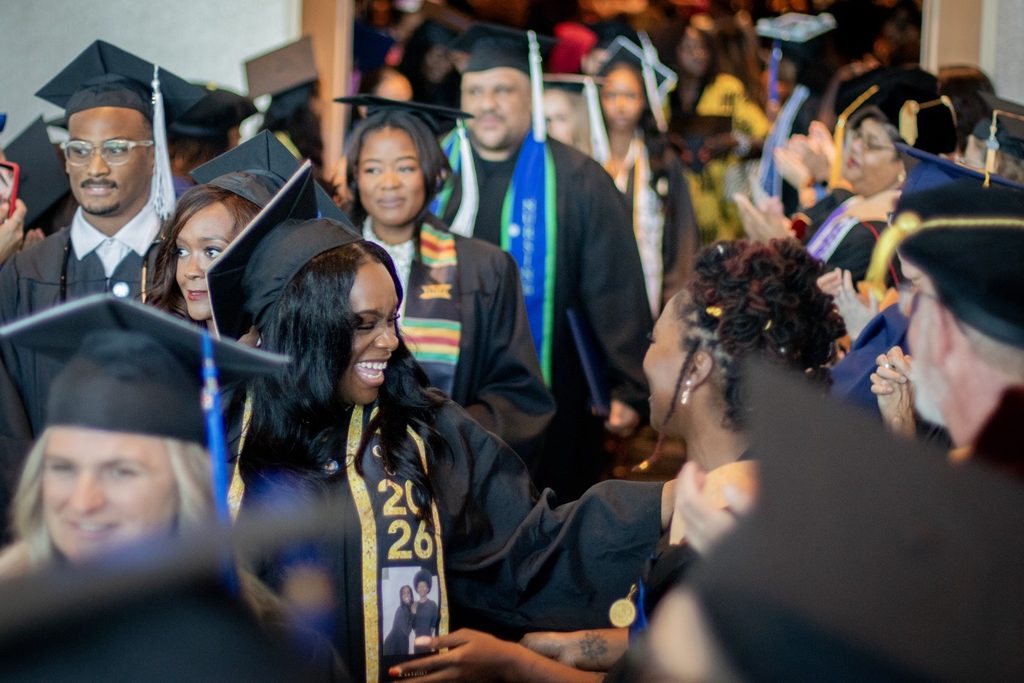
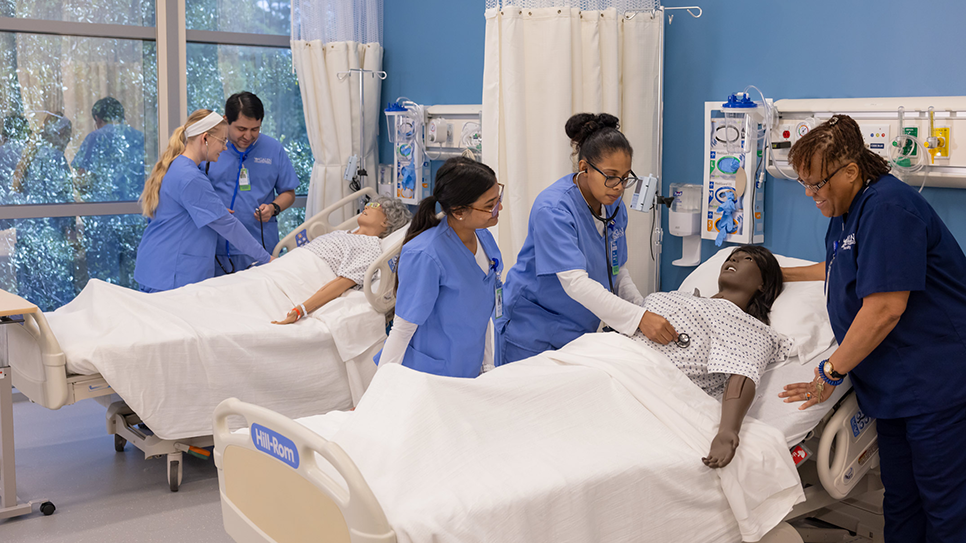
At Galen College of Nursing, you can explore a variety of nursing pathways, including Practical Nursing (PN/VN), Associate Degree in Nursing (ADN), Bachelor of Science in Nursing (BSN) and RN to BSN all designed to help you reach your career goals. With expert faculty, hands-on learning experiences, and a supportive community, you’ll have the tools you need to succeed from day one. Take the first step toward a future in nursing and learn which program is right for you.

 Apply Now
  Request Information
  Contact Us (877) 223-7040