Before the National Black Nurses Association (NBNA) became a national force in nursing, it began as a spark. That spark was ignited by nurses who were tired of being overlooked, underestimated, and shut out of the rooms where decisions were made.
Their gatherings were filled with determination: late‑night conversations about patient advocacy, shared stories of navigating discrimination, and bold dreams of building a professional community where Black nurses could lead and thrive. What started as pockets of local organizing soon grew into a powerful national movement.
Today, the NBNA’s history reads like a story of resilience, of visionary leaders who transformed their collective struggle into a legacy of empowerment, mentorship, and lasting change in health care.

The passage of the landmark Civil Rights Act of 1964 officially outlawed discrimination in public places, schools, employment, and voting rules based on race, color, religion, sex, and national origin. But in the subsequent years, black nurses still found themselves excluded from national nursing organizations, such as the American Nurses Association. This led to the founding of a pair of California-based local associations, the Council of Black Nurses, Los Angeles, founded in 1968, and the Bay Area Black Nurses Association, founded in 1989. In 1970, these organizations, along with leadership from Indiana native Dr. Lauranne Sams, held a meeting that was attended by more than 200 black nurses from across the nation.
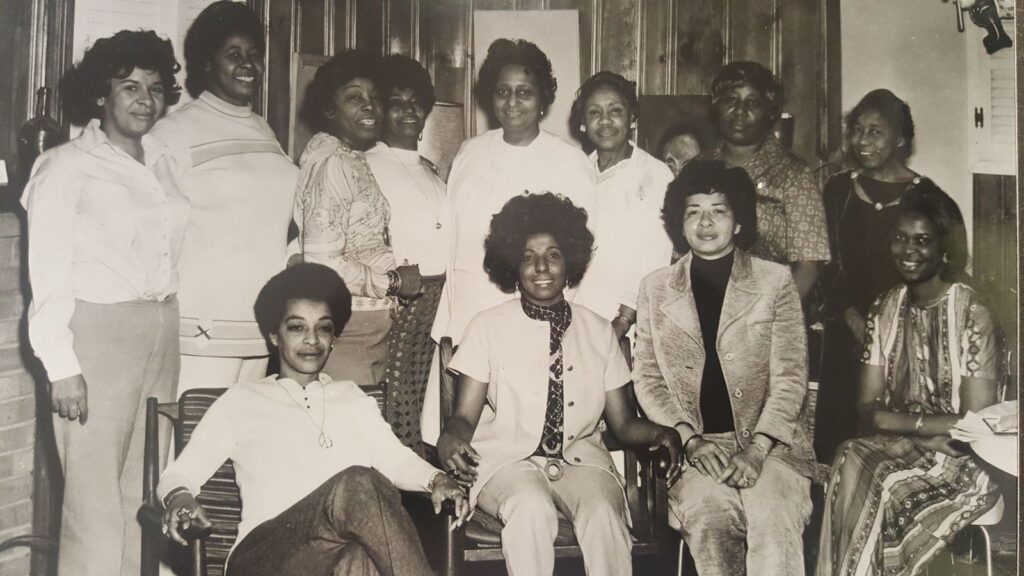
The Council of Black Nurses, LA, was founded by Dr. Betty Smith Williams, who was the first African American graduate from Case Western Reserve’s nursing school and went on to co-found the National Black Nurses Association in December 1971, in a meeting in Cleveland, Ohio. The NBNA’s first president was Dr. Sams, who served until 1977 and laid the foundation for what the NBNA provides today – mentorship, scholarship, and community for registered nurses, licensed practical nurses, and student nurses.
Following years of growing membership in local chapters such as Chicago, Memphis, and Boston, the NBNA took the next step in its development as a national organization by getting involved in advocacy on Capitol Hill.
With leadership from then-president Dr. C. Alicia Georges, as well as the late U.S. Representative Charles Rangel (D-NY), in 1988, it was established in the U.S. Congress that the first Friday in February would be National Black Nurses Day, as a way to honor Black nurses contributions to patient care. Since then, the NBNA has had a presence on the Hill, speaking with congress members to discuss Black representation in nursing, the current nursing shortage crisis nationally, and other important healthcare topics.
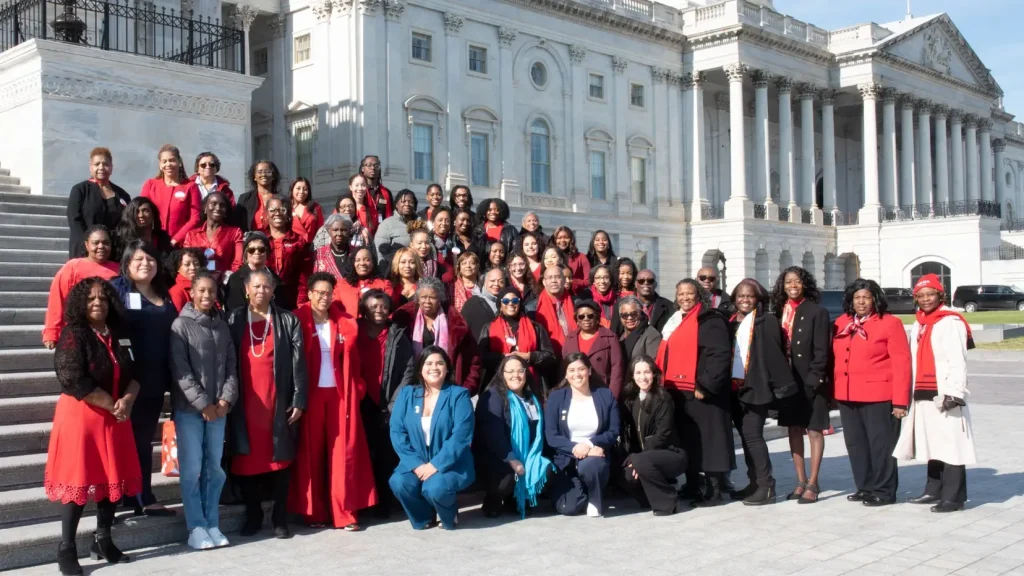
The NBNA celebrated its 37th annual Black Nurses Day on Capitol Hill in 2025, with hundreds of professional nurses and nursing students from across the nation attending the all-day event. The 38th edition took place on February 5, 2026. This year’s discussion points included advancing nursing workforce development and diversity, ensuring equity and safety in AI integration, and ending the black maternal mortality crisis, among other topics.
Over the years, the NBNA was able to deliver more pathways to nursing education through its many scholarships. These scholarships are available to students at any level, from licensed practical/vocational nurse, to doctoral studies.
Starting in 2012, the Tuskegee Airmen Scholarship Foundation gave $2,000 for the Della H. Raney Nursing Scholarship. By 2020, $68,000 in scholarships were disbursed from the NBNA, and in 2023, the NBNA gave out 57 scholarships to nursing students across the country worth a record $257,000. In 2026, there are 25 national scholarships available, and most chapters also offer scholarships to local students in their areas.
In addition to scholarships, NBNA members receive networking and professional development opportunities from their fellow nurses and nurse leaders in their local chapter. Like the scholarships, these are available for nurses at all levels. Especially for students, there could be opportunities to meet future coworkers, or nursing leaders at their future employer and a chance to start building chemistry and trust before they even start.
Black nurses and support staff were essential across the nation in treating those infected with the COVID-19 virus who ended up in the hospital. In New York City, which was the original Ground Zero for the virus in the U.S., NBNA member Dr. Natalia Cineas, MBA, DNP, RN, NEA-BC, FAAN, FADLN served as the Chief Nursing Executive for NYC Health + Hospitals, the largest municipal public healthcare system. Under Cineas’ leadership, more than 70 patient care locations and 9,600 nurses worked tirelessly to treat every patient who showed up with the virus, as well as other conditions.
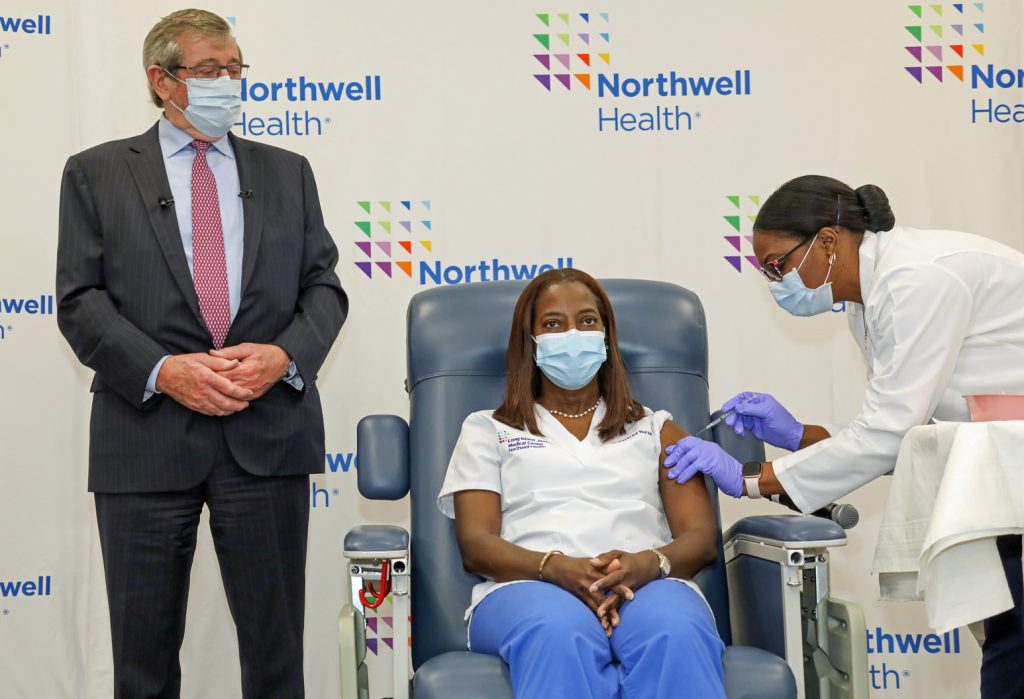
Another NBNA member, Dr. Sandra Lindsey, DHSc, MBA, RN, a Vice President at Northwell Health in New York City, was the first healthcare worker to receive the Pfizer MRNA vaccine after clinical trials, proving the efficacy of the vaccine over time. In 2022, for her courage in being the first person to receive the vaccine and her advocacy of public health, she was awarded the U.S. Presidential Medal of Freedom by then-President Joseph R. Biden.
Since the pandemic, the NBNA has continued to break barriers. In 2023, it elected its first nurse practitioner and Gen-X president, Dr. Sheldon D. Fields from New York, who is the inaugural associate dean for equity and inclusion at the Penn State University School of Nursing.
As of 2026, the NBNA represents more than 300,000 black nurses, with 114 local chapters in 33 states, including near almost every Galen campus. As as they keep fighting for better representation in nursing, we can expect those numbers to climb even more.
Want to learn more about the National Black Nurses Association or find a local chapter in your area? Visit their website to see if you live near any of their 114 chapters across the U.S.
This is the first of two articles about the NBNA. The next one will publish later this month and dive deeper into how you can get involved at your local chapter, and how Galen has already started making inroads with the Black Nurses Association of Greater Cincinnati.
If you want to turn your interest in healthcare into a nursing role, apply today to Galen’s pre-licensure programs, which will prepare you to becoming a professional nurse. Consider Galen’s Practical Nursing diploma, Associate Degree in Nursing, and Bachelor of Science in Nursing.

 Apply Now
  Request Information
  Contact Us (877) 223-7040