Home

Nursing is one of the most in-demand and meaningful careers in healthcare. It’s work that asks a lot of the people who choose it. The shifts can be long. The decisions matter. The people in your care are often facing some of the hardest moments of their lives.
It’s also a career that offers stability, strong earning potential, and a deep sense of purpose at the end of each shift. So the real question isn’t whether nursing is a “good” career — it’s whether it’s the right fit for you.
This guide is designed to help you decide. You’ll find:
If you’re just starting your research, begin at the top. If you already feel confident about nursing, you can jump ahead to specialties and career paths.
There’s no single quiz that can answer this. The best way to decide is to understand what nursing really looks like and whether you’d choose it for your life.
Below, we walk through the day-to-day realities, the traits that support success, and the reasons many people choose this path.
A nurse’s day is a blend of clinical skill, communication and critical thinking. No two shifts look exactly the same.
You may find yourself:
The exact mix depends on your setting and specialty.
Physically, the work can be demanding. Many nurses work 12-hour shifts, spend long hours on their feet and assist with lifting or repositioning patients.
Emotionally, the experience is meaningful but complex. You may be present for both joyful and difficult moments, sometimes within the same week. Nurses learn how to process these experiences in their own way. For some, it’s deeply fulfilling. For others, it may lead them to explore other roles in healthcare.
Nursing also requires continuous learning. Treatments evolve, protocols change and new research shapes patient care. Strong nurses stay curious and keep growing long after graduation.
There’s no single “type” of nurse, but certain qualities tend to show up in those who build long, successful careers.
Nurses who thrive often:
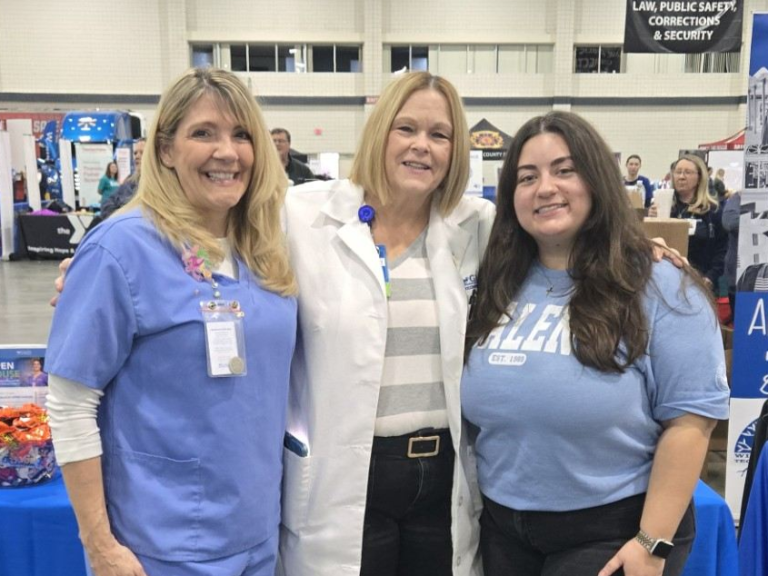
At Galen, we hear consistent themes from students beginning their nursing journeys.
Many are drawn to:
And then there’s something harder to quantify: the impact.
Patients remember their nurses. Families remember their nurses. That connection is often what carries people through the challenges of nursing school and beyond.
If this still feels like the right direction, let’s take a closer look at what the career can offer.
An RN’s daily responsibilities vary widely depending on where they work.
A hospital-based nurse’s day might include:
Nurses work in many environments, including:
Each setting offers a different pace, focus and patient population.
LPNs/LVNs provide hands-on care under RN and physician supervision and often serve as a faster entry into nursing. Many later bridge to an RN through programs like an ADN Bridge.
Advanced practice nurses — including Nurse Practitioners (NPs), CRNAs, CNMs, and Clinical Nurse Specialists — require graduate education and offer larger scope and autonomy.
Nursing offers competitive pay, especially relative to the time required for education.
According to the Bureau of Labor Statistics (May 2024):
Actual earnings vary based on:
By most measures, yes!
The Bureau of Labor Statistics projects:
This demand is driven by:
At the same time, demand reflects real pressures within the field. Workload, staffing and burnout are important considerations. Many nurses find success by choosing environments and teams that support their well-being, not just their income.
Most nurses begin in acute care after passing the NCLEX®, then specialize over time. Others start in outpatient or long-term care settings. Both paths are common.
Some of the most popular specialties include:
Each specialty offers its own pace, skill set and long-term opportunities.
With a graduate degree, you can pursue advanced practice nursing roles that offer more independence and the opportunity to earn more.
There are also non-clinical paths, including:
Galen College of Nursing helps prepare students for every stage of the nursing journey — from day one as a new grad to long-term career growth.
Our programs emphasize:
Through the HCA Healthcare partnership, some students can access tuition assistance and gain experience in one of the nation’s largest healthcare networks. We also support students from enrollment through their first nursing role — with resume help, NCLEX® prep, interview coaching and employer connections.
Nursing can be stressful at times. The decisions are important, the shifts can be long and patient care carries real emotional weight. Over time, many nurses develop strong coping strategies, build resilience and find deep meaning in their work. For the right person, it’s a challenging but incredibly rewarding career.
The main differences come down to scope of practice, education and career opportunities. LPNs/LVNs provide direct patient care under the supervision of RNs and physicians, often in long-term care or outpatient settings. RNs have a broader scope, more autonomy, and access to a wider range of roles. Many LPNs choose to continue their education and become RNs over time.
It depends on the employer, unit and level of experience. New nurses may start with nights, weekends or rotating shifts. As you gain experience, more flexibility often becomes available. Some roles, like per-diem or travel nursing, offer even greater control over scheduling.
In many cases, yes — especially in hospital settings where hourly pay is common. Some specialty and leadership roles are salaried and may not include overtime in the same way. Many employers also offer additional pay for nights, weekends and holidays.
Certified Registered Nurse Anesthetists (CRNAs) are typically among the highest-paid nursing professionals. According to the Bureau of Labor Statistics, the mean annual wage was $223,210 in May 2024. Other advanced practice roles, like Nurse Practitioners and Clinical Nurse Specialists, also offer strong earning potential. These roles require graduate education and experience as an RN.
It depends on the path you choose. A Practical Nursing (PN/VN) program can take about 12 months. An ADN typically takes around two years, while a BSN usually takes three to four years. Galen offers a three-year BSN with year-round enrollment, which allows students to complete their education sooner than traditional timelines.
Yes — many introverts find nursing to be a strong fit. The work is patient-focused and often centers on meaningful one-on-one interactions rather than large-group dynamics. Different specialties also suit different personalities, so you can find an environment that feels comfortable and energizing.
It’s common to feel unsure about these subjects at first, but most students build confidence as they go. Nursing math focuses on practical skills like medication calculations, and the science courses are designed to support your success. With the right support and effort, many students who start out unsure go on to thrive.
Stamina is often more important than strength. Nurses spend much of their shift on their feet, but many facilities use equipment and team support for lifting and moving patients. While the work is physical, you’re not expected to manage it alone.
Yes. Part-time and per-diem roles are widely available, especially as you gain experience. Many nurses also benefit from flexible full-time schedules, such as three 12-hour shifts per week, which can create more days off.
That flexibility is one of the strengths of a nursing degree. Many nurses move into other areas like leadership, education, public health, research or healthcare technology. Your clinical experience opens doors across the healthcare field.

 Apply Now
  Request Information
  Contact Us (877) 223-7040